The upcoming three-match T20I series between India and Afghanistan in New Delhi will use broadcast production technology and personnel from the FIFA World Cup 2026. ITW Universe will produce the series on FIFA World Cup host-broadcast standards on September 13, 15, and 17.
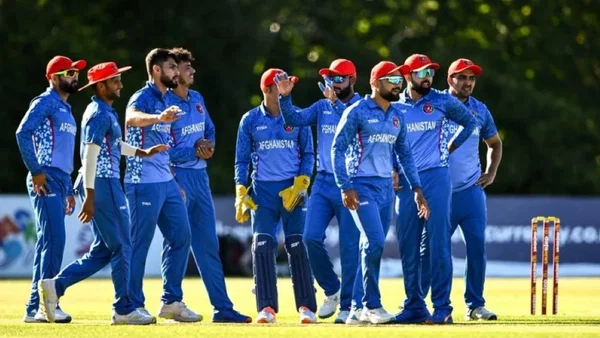
The Afghanistan Cricket Board (ACB) will host a bilateral series against India for the first time. However, geopolitical issues prevent the matches from being held in Afghanistan. The BCCI and Delhi and District Cricket Association (DDCA) have selected the Arun Jaitley Stadium as the temporary venue.
FIFA World Cup 2026 Technology Comes to India-Afghanistan T20I Series
ITW Universe, which holds the production rights, will bring advanced cameras, 3D replays, augmented reality and cinematic storytelling to the series. The production team will be led by Jamie Oakford, who has directed every FIFA World Cup since 2002, including the 2014 final between Germany and Argentina.
The same team has also worked on multiple UEFA Champions League finals. Sony Sports will provide the television broadcast, while FanCode will stream the games digitally. ITW Universe founder Bhairav Shanth said the production aims to offer viewers a different experience from traditional cricket coverage.
“We want to move away from the same old production technology that has been used in cricket for the last 10-12 years. The series will give new experiences to the viewers and brands. We endorse his philosophy, which is to give the viewer the best seat in the house.”
Free-Viewpoint Technology and Spatio System to Transform Coverage
The series will introduce volumetric free-viewpoint technology, using a network of cameras to create a real-time 3D digital version of the pitch and players. Broadcasters can then place virtual cameras almost anywhere to produce replays from unusual angles, including perspectives from inside the action.
The production will also use the Spatio system, developed by Quidich Innovation Labs. It combines a stabilised drone feed with broadcast-grade augmented reality and real-time optical player tracking to map player movements across the field.
The technology will allow broadcasters to create field-placement graphics, explain tactical plans and present strategy in a more visual format. AI-stabilised POV cameras and an advanced Spidercam will also form part of the coverage, adding more angles to the live broadcast.
Ultra-Slow-Motion Cameras to Capture Every Detail During India-Afghanistan Series
The broadcast will feature a dedicated ultra-slow-motion camera system capable of recording at 600 frames per second and above. Emperor-style or Phantom-class cameras will capture fast bowling deliveries, bat-ball contact, edges, stumpings and fielding moments in exceptional detail.
The system will allow broadcasters to show highly detailed replays of crucial moments that may be difficult to see through conventional cameras. These forensic-style replays could become some of the most distinctive features of the series.
India and Afghanistan will play the three T20Is ahead of the Asian Games, which are set to begin in late September. Afghanistan will host the bilateral series for the first time, with the matches taking place in Delhi because of the ongoing challenges around staging international fixtures in Afghanistan.