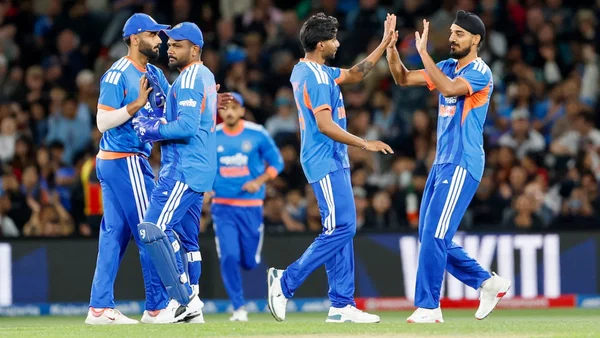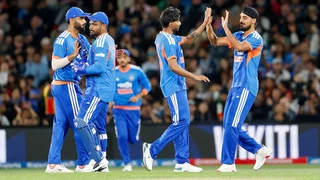
Several senior Indian cricketers reportedly declined the selectors’ offer to rest during the recent five-match T20I series against the West Indies. According to myKhel, the players expressed their willingness to feature in the series, which ended in a 2-2 draw after the fifth and deciding match was washed out.
The decision comes amid growing concerns over workload, travel fatigue and injury risks in international cricket. India, the reigning T20 World Cup 2026 champions, played 36 T20Is by October 22, the most by any team. Its packed schedule has left limited time for recovery between tours and competitions.
Fear of Losing Places Keeps Senior Players Active
According to myKhel, the national selectors wanted to use the West Indies series to test India’s bench strength and give fringe players opportunities. However, several senior players who were participating in the Asian Games in Japan reportedly indicated their willingness to continue playing rather than take a break.
One possible reason for their reluctance is the competition for places in the team. With several young cricketers pushing for opportunities, established players may fear that a replacement could perform well and strengthen their claim to a regular spot.
Past selection changes have shown that replacements can establish themselves after receiving opportunities. This makes taking a voluntary break a difficult decision, even for players who may be dealing with fatigue.
The situation also puts selectors in a difficult position, as resting experienced players can help assess emerging talent but may be hard to enforce when fit players want to remain available.
India’s Packed Schedule Continues With New Zealand Tour
The Indian men’s team has faced a demanding schedule since June, with assignments involving Ireland, England, Zimbabwe, Afghanistan at home, Japan, the Asian Games and the West Indies at home. Frequent travel, changing conditions and limited recovery periods have added to the physical demands on the players.
India travelled to New Zealand within a week of completing the West Indies series. The tour features five T20Is, three ODIs and two Tests, leaving little time for recovery, particularly for players involved in multiple formats and competitions.
Frequent flights, jet lag, changes in climate and the demands of training and match play can compound fatigue. Workload management also requires selectors and support staff to assess travel schedules, recovery time, individual fitness, injury history and the intensity of each assignment.
Vaibhav Sooryavanshi’s Chances and the BCCI’s Selection Dilemma
The competition for places also affects emerging players such as 15-year-old batting prospect Vaibhav Sooryavanshi. According to myKhel, the teenager may have to wait longer for regular opportunities at the senior level.
Although Sooryavanshi has attracted attention for his aggressive batting, earning a place in India’s senior T20I side presents a different challenge from performing in domestic and age-group cricket.
The team management is not rushing his development, and his opportunities will depend on performances, selection priorities, team combinations and available places in the playing XI.
If senior players remain available for every series, selectors may have fewer chances to assess fringe players. A planned rotation policy, however, could help introduce emerging talent while maintaining the team’s competitiveness.
Players want to compete and protect their places, while the management must account for the demands of a long international season. A structured rotation policy based on fitness assessments and individual workloads could make rest part of performance management rather than a perceived risk to selection.