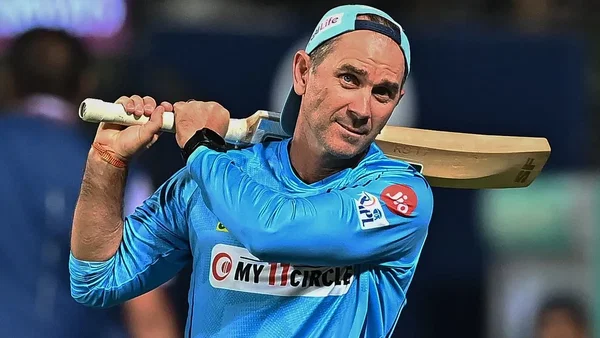
Former Australia head coach Justin Langer believes Steve Smith, David Warner, and Cameron Bancroft paid the price for the wider cricketing community following the 2018 ball-tampering scandal. Justin Langer suggested that the punishments handed to the trio changed how teams approached reverse swing.
The controversy raised questions about ball maintenance and the methods used to make an old ball move in the air. However, reverse swing has returned to the spotlight during Australia’s recent Test series against South Africa, with Josh Hazlewood producing an impressive performance in Durban.
How the 2018 Sandpapergate Scandal Unfolded
The controversy unfolded on March 24, 2018, during the third Test between Australia and South Africa at Newlands in Cape Town. Television cameras caught Bancroft using a piece of sandpaper to rough up the ball in an attempt to generate reverse swing.
Warner was identified as the player who devised the plan and instructed Bancroft, while Smith knew about it but failed to intervene. The incident escalated after the broadcast footage showed Bancroft hiding a yellow object.
Coach Darren Lehmann then sent a message through the team’s walkie-talkie system to alert 12th man Peter Handscomb, who was asked to warn Bancroft. Bancroft subsequently concealed the sandpaper in his trousers and showed the umpires a sunglasses pouch.
At a press conference later that day, Smith and Bancroft admitted to ball-tampering but initially claimed they had used yellow sticky tape covered in dirt granules. The scandal damaged Australia’s reputation and led Cricket Australia to conduct an internal investigation and impose bans.
Justin Langer Claims Sandpapergate Trio Paid the Price for World Cricket
Speaking ahead of the Gqeberha Test, Justin Langer reflected on the impact of the 2018 Cape Town scandal. Steve Smith, David Warner and Cameron Bancroft received bans following the incident, which had a lasting effect on how teams approached reverse swing.
"In a lot of ways Steve Smith (and David Warner and Cam Bancroft) paid the price not only for all of the Australian cricket team but for cricketers all around the world. Because notice the ball hasn’t reverse swung since?" Justin Langer said.
We're speechless... 😳 This goes beyond just the Australian cricket side 🤯 Episode 2 of In The Middle With Watto featuring Justin Langer is LIVE NOW on Prime Video 📺 #Sandpapergate #JustinLanger #SteveSmith #DavidWarner #Cricket https://t.co/lxMKESyCog
— Prime Video Sport AUNZ (@pvsportaunz) October 19, 2026
Josh Hazlewood Leads Australia’s Reverse Swing Revival
Reverse swing has again attracted attention after Australia’s performance in the first Test against South Africa in Durban. Josh Hazlewood made a major impact in the second innings, demonstrating how bowlers can use an ageing ball to trouble batters through movement in the air.
Australia will look to maintain that threat during the rest of the tour. However, conditions could influence their ability to generate reverse swing in Gqeberha. Heavy rain and a wet outfield could make it harder for the ball to develop the abrasive wear needed on one side.
Former South Africa captain Faf du Plessis has also highlighted the value of reverse swing, praising its place in the game and its role in balancing the contest between bat and ball.
"A genuinely beautiful part of the game."
In 2014, David Warner was fined after accusing South African wicketkeeper AB de Villiers of wiping the rough side of the ball with his glove during a Test in Gqeberha.
Also read: Australia drop Nathan Lyon vs South Africa, marking third omission in 14 months