Table of Contents
The Mohsin Naqvi-led Pakistan Cricket Board (PCB) has reportedly refused to allow Pakistani cricketers to play in the upcoming Afghanistan Premier League (APL) 2026. The decision comes amid growing tensions between Pakistan and Afghanistan, with the PCB's move coming after several top Afghanistan players pulled out of the Pakistan Super League (PSL) earlier this year.
The latest development has raised questions about whether Pakistan’s Interior Minister Naqvi is responding to the Afghanistan players' withdrawal from the PSL 2026. With relations between the two countries becoming increasingly strained, the game has also been caught in the middle. Amid this, Watch: Pakistan women’s cricketers face mockery over unusual & dangerous training video.
PCB denies NOCs to Pakistani players for APL 2026
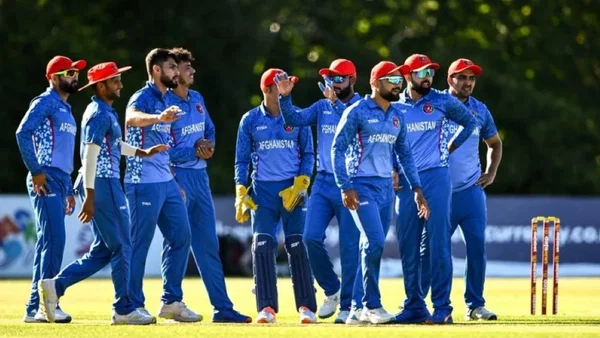
As reported by Pakistani media, two Afghanistan Premier League franchises, Balkh Zwanan and Kandahar Warriors, had approached four Pakistani players for participation in the APL 202. They had also contacted two former Pakistan cricketers for coaching roles.
However, all six approaches reportedly failed after the Pakistan government informed the Pakistan Cricket Board (PCB) that neither current nor former Pakistani players should participate in the Afghanistan Premier League. As a result, the PCB will not issue No Objection Certificates (NOCs), which means no Pakistani cricketer can take part in the APL 2026.
PCB sources revealed that the PCB has made it clear to all the players that they will not be allowed to have any association with Afghanistan’s APL. The decision was reportedly the result of the ongoing political and diplomatic tension between Pakistan and Afghanistan.
🚨 GOOD DECISION BY PCB. 🇵🇰
— Sheri. (@CallMeSheri1_) September 29, 2026
- PCB has decided that Pakistan players will not participate in the Afghanistan Premier League. (Sohail Imran) pic.twitter.com/7ObkjbB7Pe
🚨 INSIDE - AFGHANISTAN PREMIER LEAGUE!🇦🇫
— Mian Ahmad (@MianAhmad_56) September 29, 2026
- 2 franchises - Balkh Zwanan and Kandahar Warriors approached 4 Pakistan players for playing and 2 ex-Pakistan players for coaching.
- But they denied after Government of Pakistan told PCB that no Pakistan current or ex-player can… pic.twitter.com/aRSM4zzTiO
PCB hits back after Afghanistan stars snub PSL
Another connection is linked to the PSL 2026 player auction, when several leading Afghanistan cricketers withdrew from the tournament. Peshawar Zalmi had initially signed Rahmanullah Gurbaz directly ahead of the inaugural auction.
However, Gurbaz later pulled out, citing personal commitments and scheduling issues, following heavy backlash on social media and worsening relations between the two countries. After his withdrawal, Mohammad Nabi, Mujeeb Ur Rahman, Fazalhaq Farooqi, Seddiqullah Atal, and Waqar Salamkheil also withdrew their names just before the PSL auction in Lahore.
The Afghanistan Cricket Board (ACB) later introduced strict workload restrictions, limiting its players to three overseas T20 leagues per year. The PSL and Bangladesh Premier League were effectively left out of their permitted schedules. PCB has now blocked Pakistani players from the APL. Amid this, India-Pakistan tension impacts WCL 2026 as Pakistan Champions removed.
Political tensions behind the cricketing row
Worsening relations between Pakistan and Afghanistan have impacted the game. The two countries have engaged in serious border clashes, military operations and failed attempts to restore peace.
Pakistan has accused the Afghan Taliban administration of giving safe havens to the Tehrik-e-Taliban Pakistan (TTP), which Islamabad blames for attacks in Pakistan. The Taliban government has repeatedly denied these allegations.
The long-standing dispute over the Durand Line, which Afghanistan has refused to recognize as an international border, has also fueled tensions. Relations have been further strained by cross-border military operations, including Pakistan's reported Operation Ghazab lil-Haq, and retaliatory attacks along the frontier.
Later, Pakistan declared an open-war situation in February 2026, while efforts by countries like China to mediate and bring peace are also not working.